better.collect
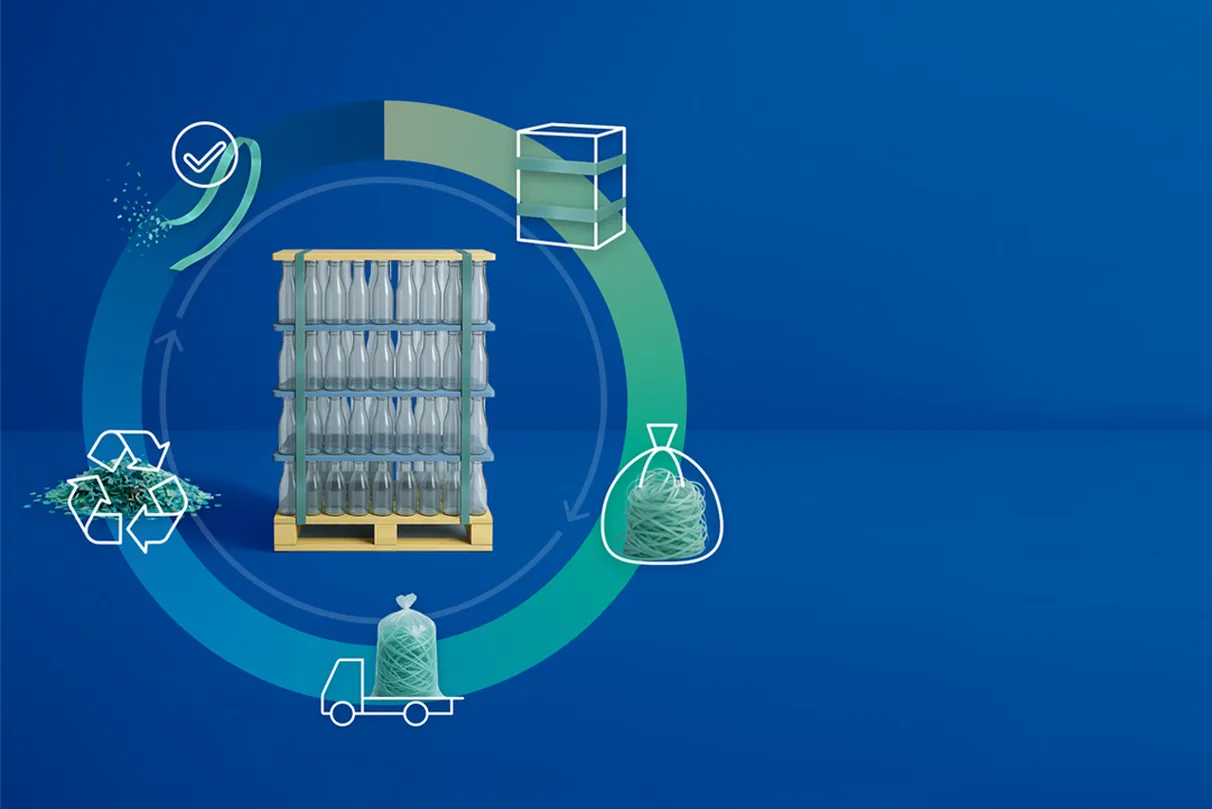
The cycle starts with responsible resource management. Through better.collect, used strapping can be returned to Teufelberger, recycled and reprocessed.

Start & End
The cycle starts with responsibility. Creating strapping that can be recycled.
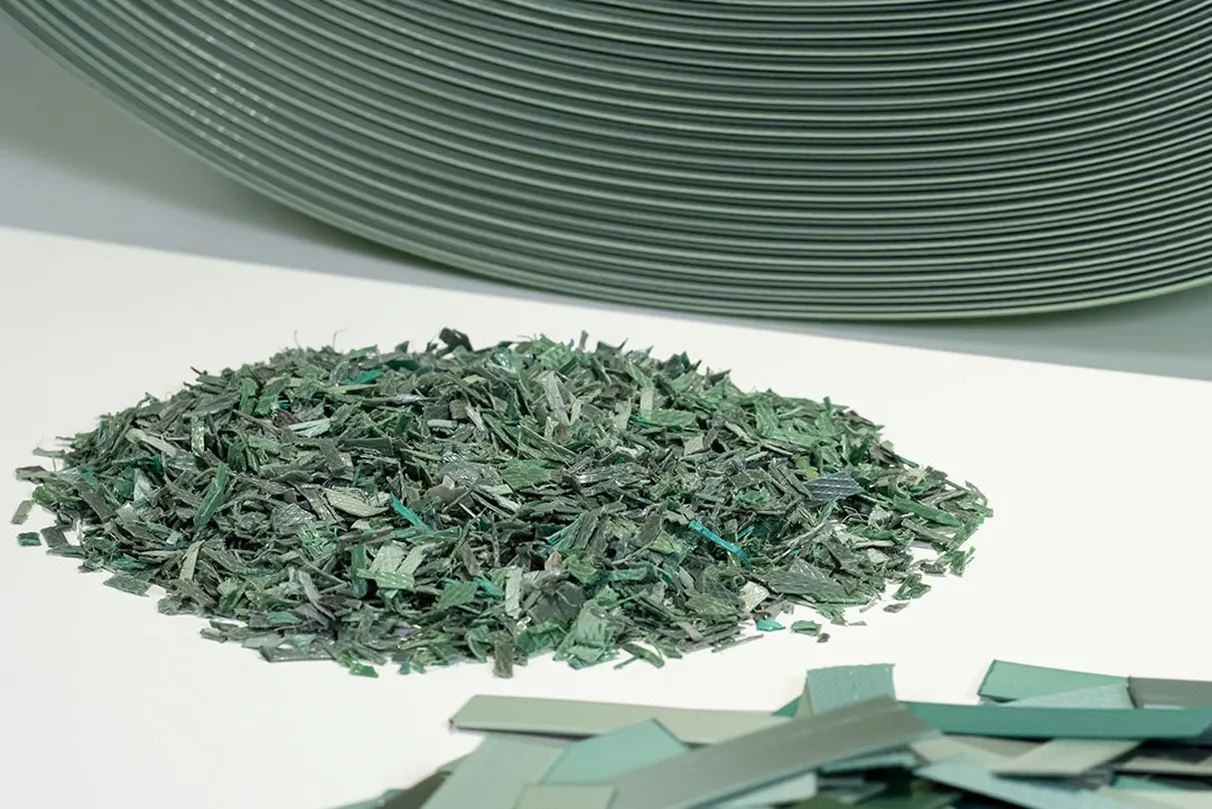
Strap made out of strap. Teufelberger straps are designed in a way that they can be returned at the end of their lifecycle. This enables real circular economy , strapping made from strapping.
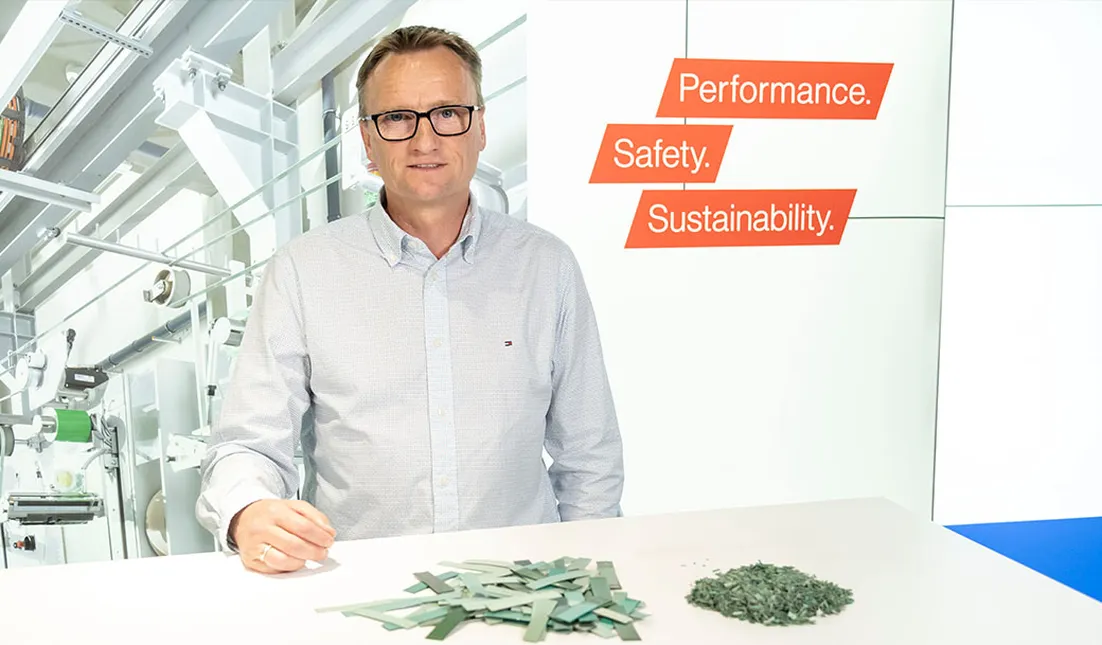
What begins as strapping returns to Teufelberger as a valuable raw material, and there new high-quality strapping is created. In the business year 2025/26 the procuded strapping contains on average 5.25 % collected old strapping material.
When all the pieces work together, the circle continues and opens up new advantages. Repeatable.
Designed for recyclability
Lifecycle thinking from the beginning
Strap by Strap
Packaging & Shipping
Efficient packaging. Reliable shipping.
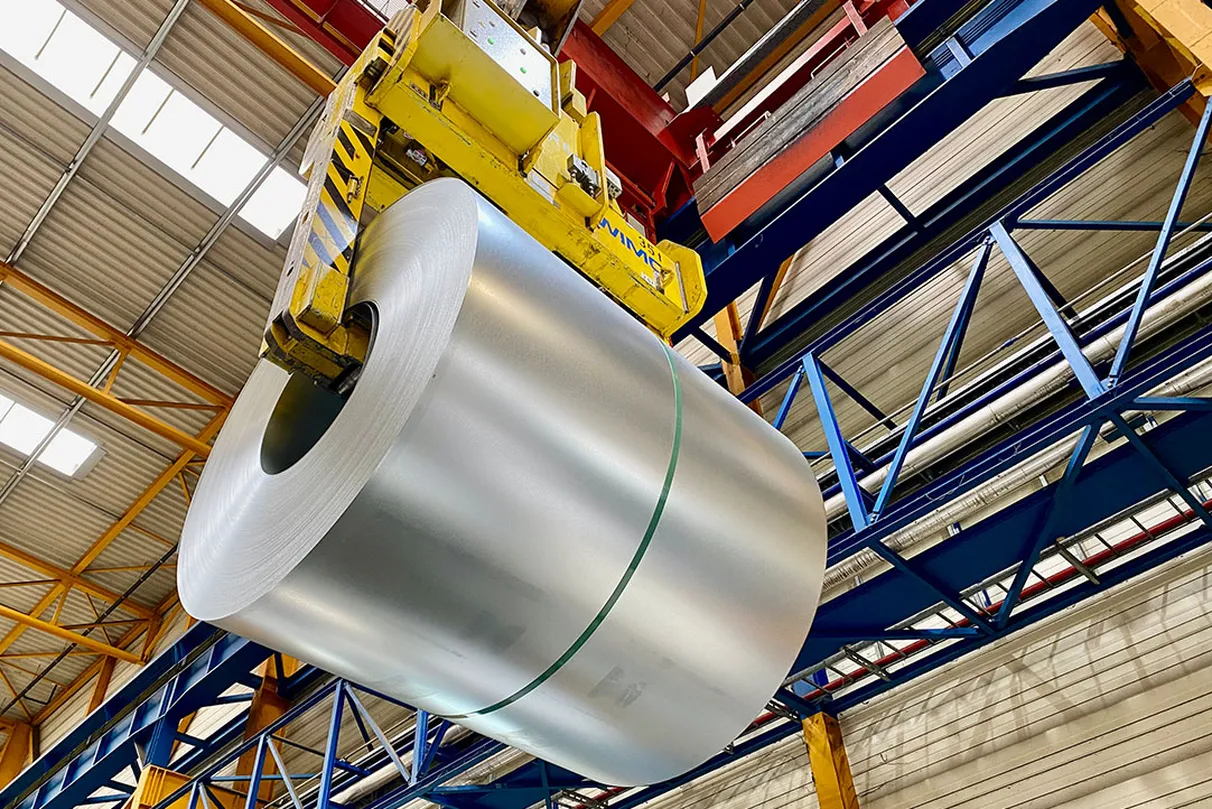
Designed for performance and material recovery. Tested in our Strapping Center, our high-performance strapping supports demanding packaging applications across a wide range of industries.
The right strap for a wide variety of applications.
Our approach goes beyond manufacturing and supplying strapping products. Through better.collect, used strapping can be collected, sorted and returned to recycling streams. Suitable material can then be processed and reused in the production of new strapping.
This helps keep valuable materials in circulation and supports the use of recycled material in new products.
New strapping made out of old strapping
Avoiding strapping on landfill or incineration
Collecting & Compressing
No more bulky packaging waste.
Saving you storage space, time and effort.
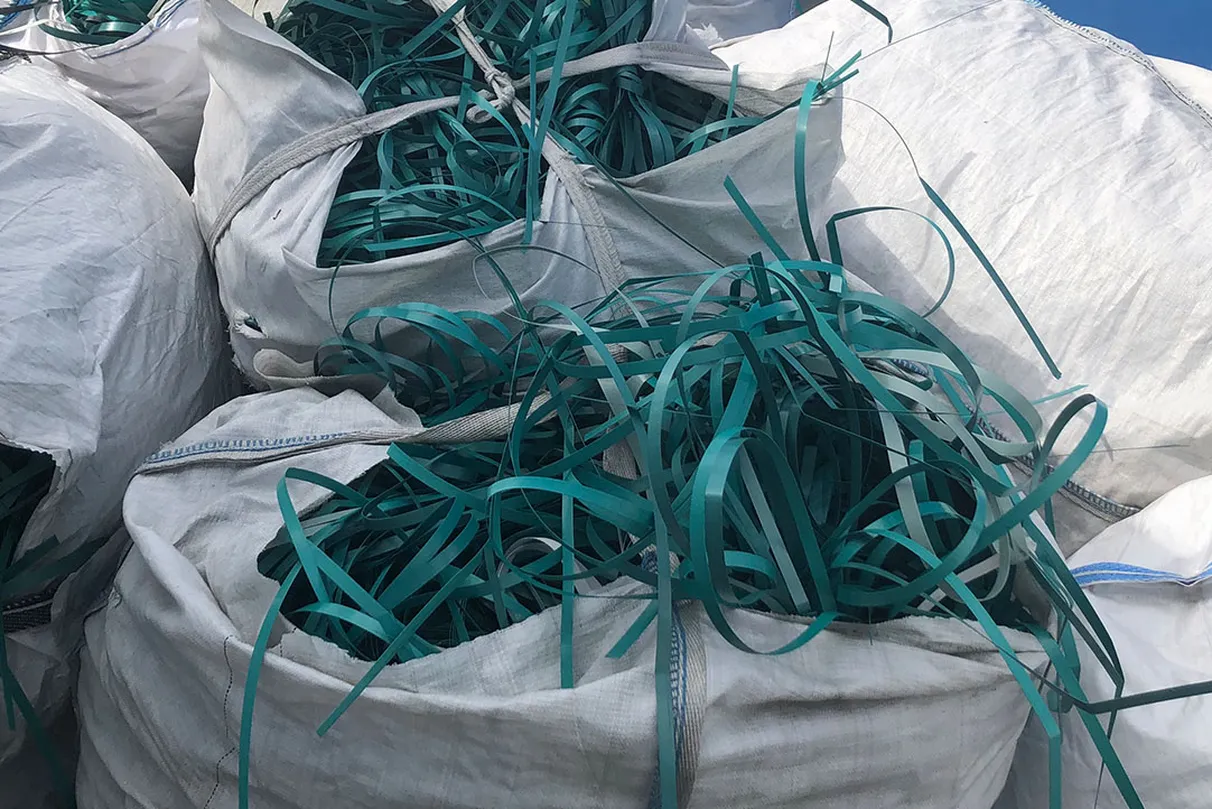
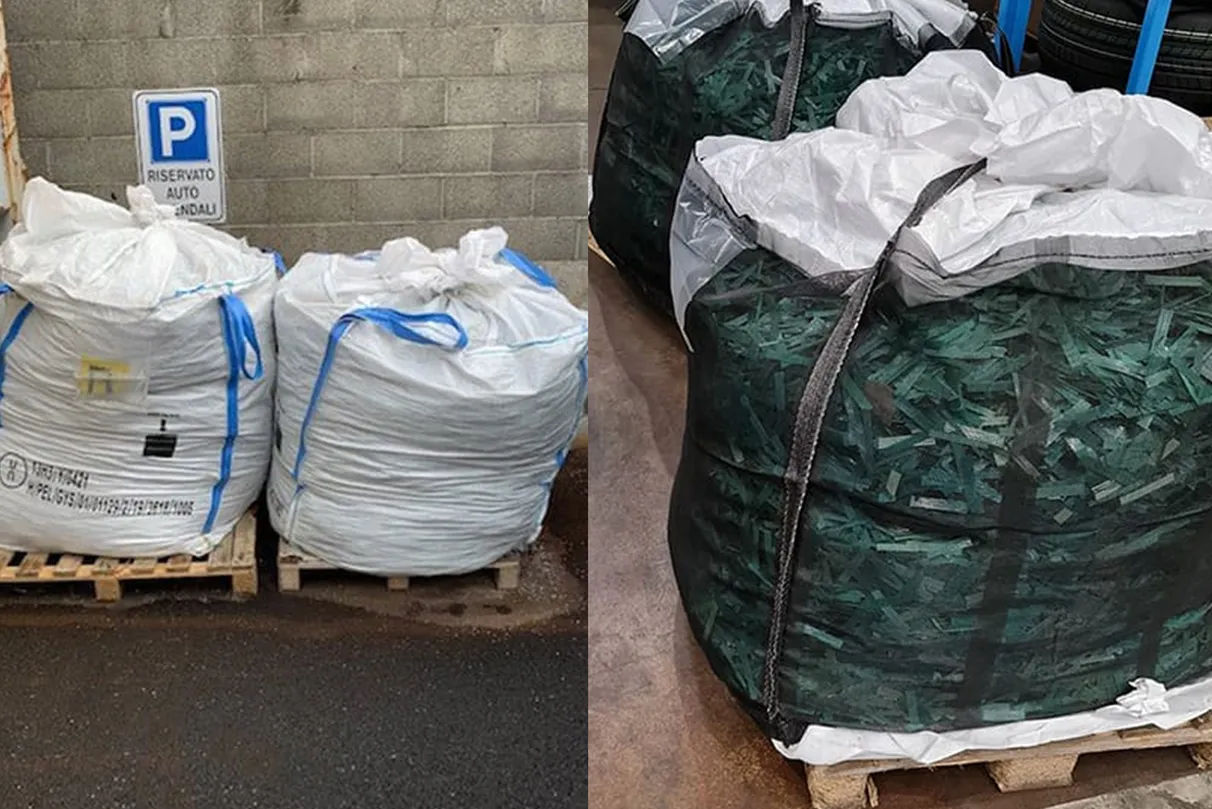
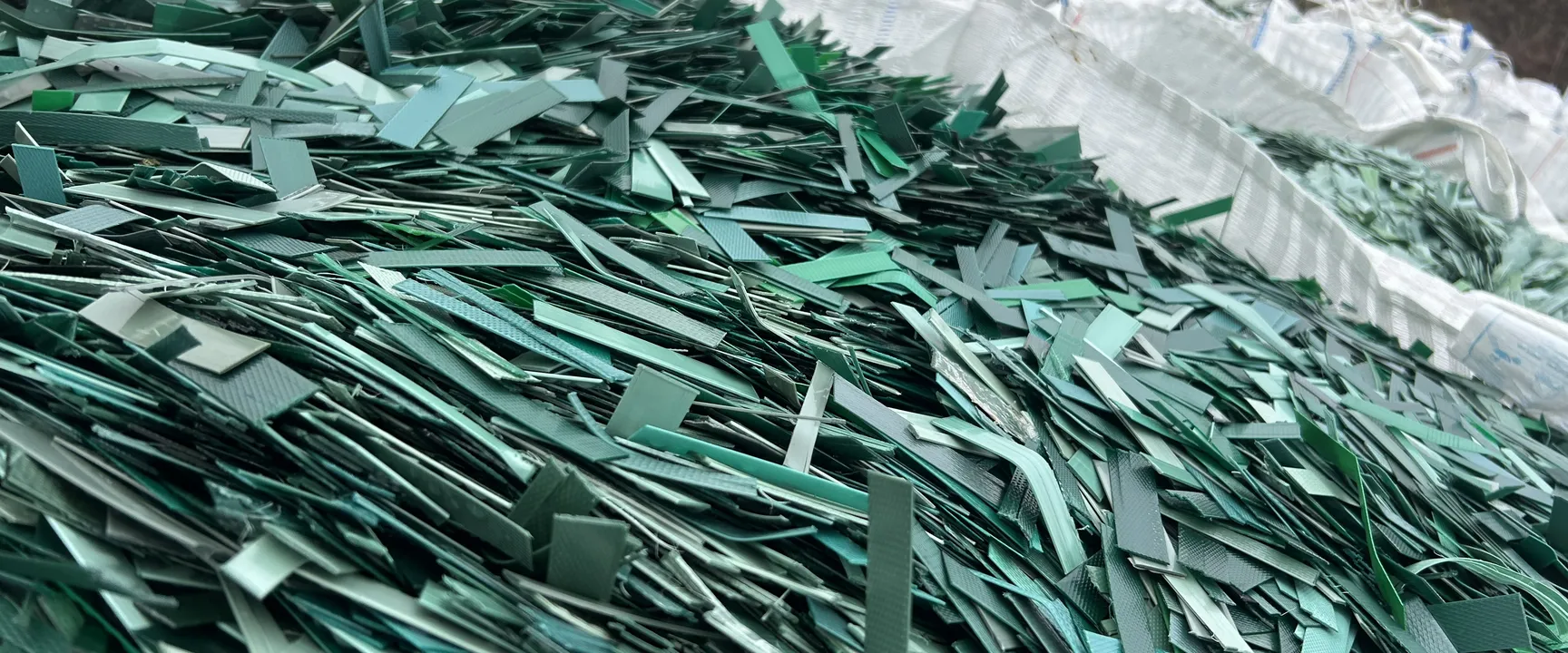
Strapping can take up valuable storage space when left as single straps. Cut into smaller pieces or compressed into bales, they become extremely space-saving and economical. Using a strap shredder or a strapping press makes the process quick and easy. The straps are then sorted by material (PP or PET) and collected in bales or big bags.
Volume reduction through compression
Clean separation for high-quality recycling
Collection in BigBags or pressed to bales
Pickup
We pick it up – you contribute to the circular economy.
Simple, reliable, and efficient: pickup is part of our full-service system.
As part of the better.collect cycle, we take care of transporting the shredded or compressed strapping. Pickup is handled either directly or through our growing partner network.
We always ensure full truckloads to make collection and transport as environmentally friendly as possible!
Flexible pickup scheduling
Regional logistics partners
Recycling & Reuse
From collected material to new applications.
Recyclability is considered during product and material development. Collected strapping material can be recycled and processed for further use where appropriate recycling infrastructure and material quality requirements are met.
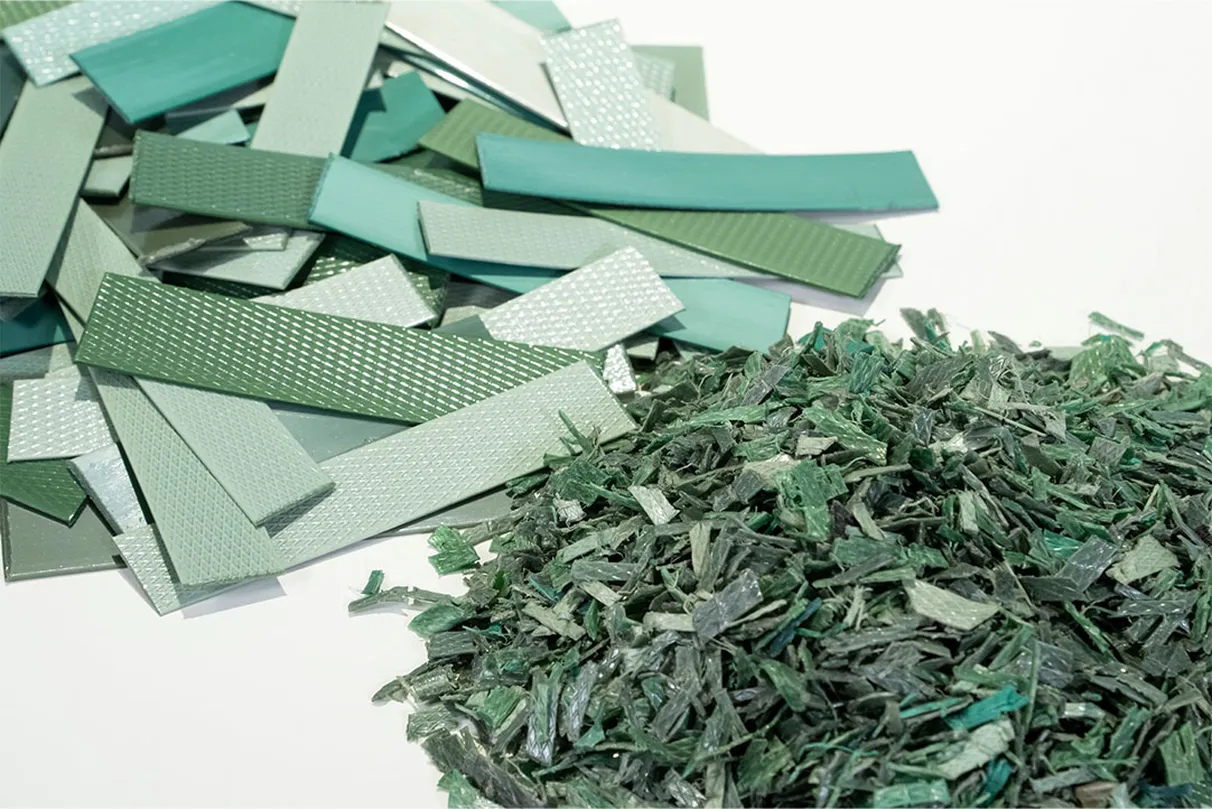
The collected material is processed and washed by our recycling partner. Due to their material composition, PET and PP strapping can be sorted and recycled in suitable recycling streams. Recovered material may then be used in the production of new products, including selected strapping applications.
Through the collection, sorting and recycling of used strapping, valuable material streams can remain available for further use.
Conserving valuable resources
Processing of suitable PET and PP material streams
Use of recovered material in PET strapping
better.collect in Zahlen
Gemeinsam den Kreislauf gestalten:
0
collected (FY 2025/26)
0
kg CO₂ equivalent saved per ton of strapping
0
share of recycled PET strapping (FY 2025/26)
How can better.collect look like?
Find here a real success story
The customer wanted to collect exclusively PET strapping. In the first discussion we always ask for the possibilities: whether to collect exclusively PET straps, exclusively PP straps, or a mix of materials.
Together we estimate the approximate quantity per month / per year, what can be collected and in what time frame.
Then we figure out the best transport route. The costs of transport is covered by Teufelberger. In this case the transport route of 800 km costs us ~ 1.000 € per delivery.
Once everything is set up correctly we can discuss a refund for the material. We talk about ~ 300€/to for clean PET strapping without any incorrect items such as bottles, cans, cardboards paper etc.
To cover the transport costs, we start pick-up min. 3.5 tons of collected materials, everything above this amount can start refunding the material.
For material mixtures of PET and PP, we cannot grant a refund, as an additional processing step is required and usually some amount is lost.
CO₂ AWARENESS
Avoiding CO₂ emissions through recycling
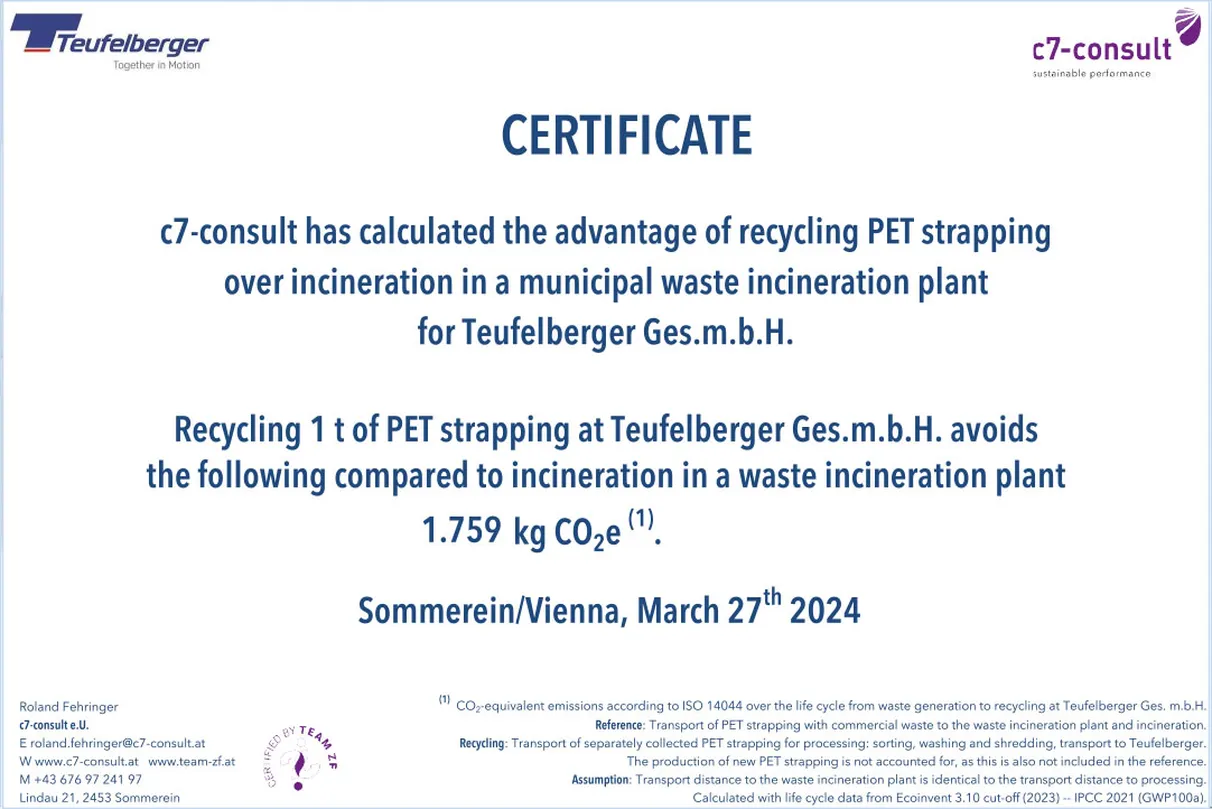
According to a calculation by C7 Consult, recycling one tonne of PET strapping instead of sending it to municipal waste incineration avoids 1,759 kg CO₂e under the assessed conditions.
That is why keeping the material in the loop matters.
By collecting used PET strapping and returning it to recycling, the material remains in the material loop and does not need to be treated through the incineration route used as the reference scenario for the calculation.
1,759 kg CO₂e avoided per tonne of PET strapping recycled
Comparison based on recycling versus municipal waste incineration
Calculated by C7 Consult
Methodology documented in the certificate
better.answers – questions you always wanted to ask!
We leave no wishes or questions unanswered. Tomorrow's solutions arise from mutual exchange. Today.
La Croix Noble
Circular economy works best when it’s local. That's why highlight our customer La Croix Noble's 3R program which builds a local circular economy for PET strapping in France.
More informationContact
Want to be part of something big?
Whether you're interested in returns, consulting, or partnerships – we look forward to hearing from you. Together, we’re shaping a sustainable future through a truly closed-loop strapping system.